Tag: desire
-
Boundaries Are Attributes
Within the Living Attributes Codex, strong boundaries are not merely behavioural choices—they are living expressions of your inner architecture. They are how your energy, truth, and self-respect organise themselves into form. Boundaries can become attributes you embody, rather than a rule you enforce. Attribute Embodiment I have come to recognise my inherent worth, and I honour…
-
Love and the Inner Light
Dear Shining Ones, There’s something beautifully grounding about returning to the core of spiritual teachings. Across cultures, lineages, and centuries, so much wisdom distils down to two simple principles: love others as you love yourself, and allow the Light within and around you to guide your body, mind, and spirit. Simple doesn’t mean easy—but it…
-
The Story of You, Me and We.
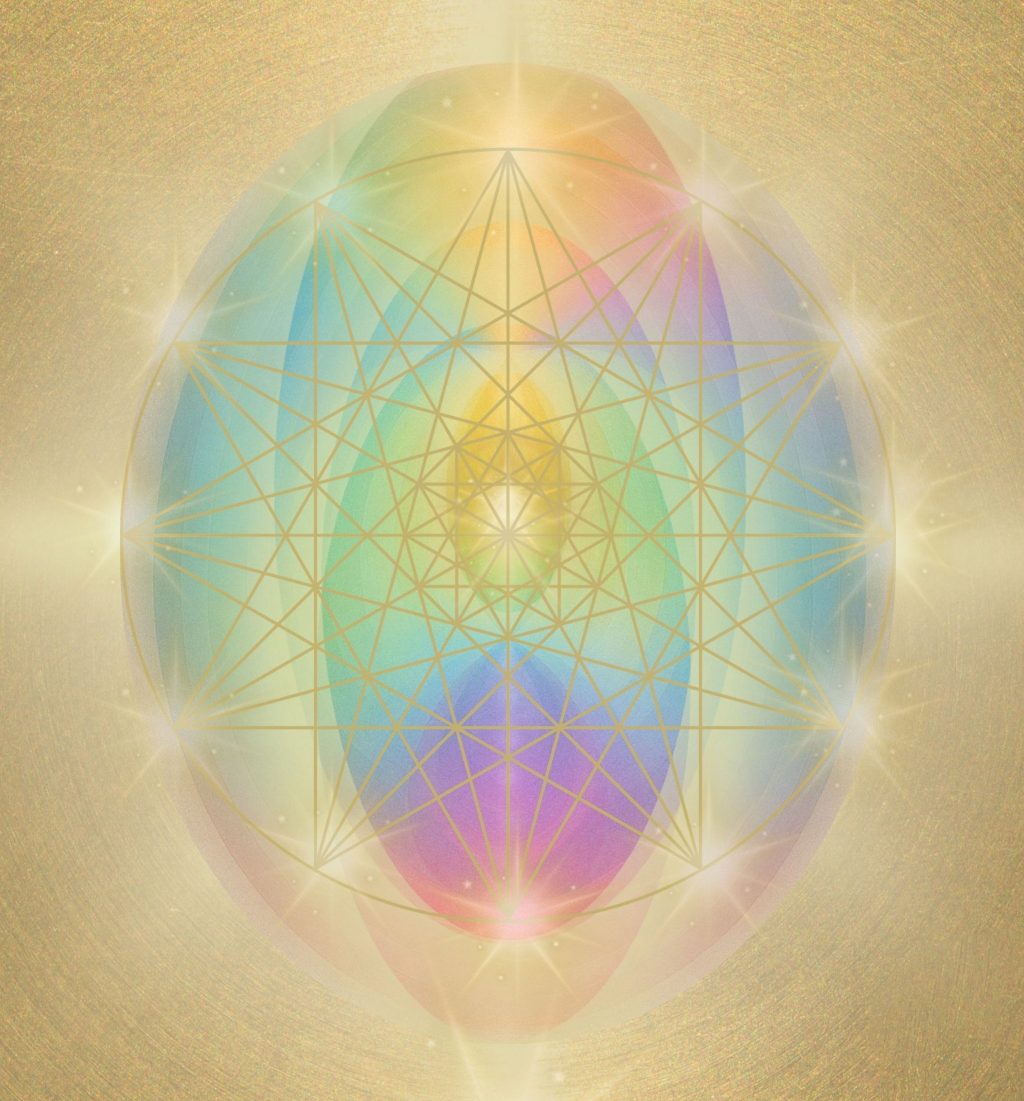
In the Living Attributes Codex, STORY is not something we tell—it is something we are. We are the living architecture through which meaning takes form, and every moment we encounter is a line being written through us, as us. When I say we are the STORY, I am speaking to the understanding that life is not random…
-
My Passion and Mission
Through my work with the Living Attributes Codex—a personal framework that explores individual qualities and archetypes—and the Sacred Mirroring Spiral—a process for self-reflection and transformation—I can see clearly that this journey did not appear by accident. It is the natural continuation of a long inner journey that began many years ago. What I express now…
-
Enlightenment Is Not Something to Attain
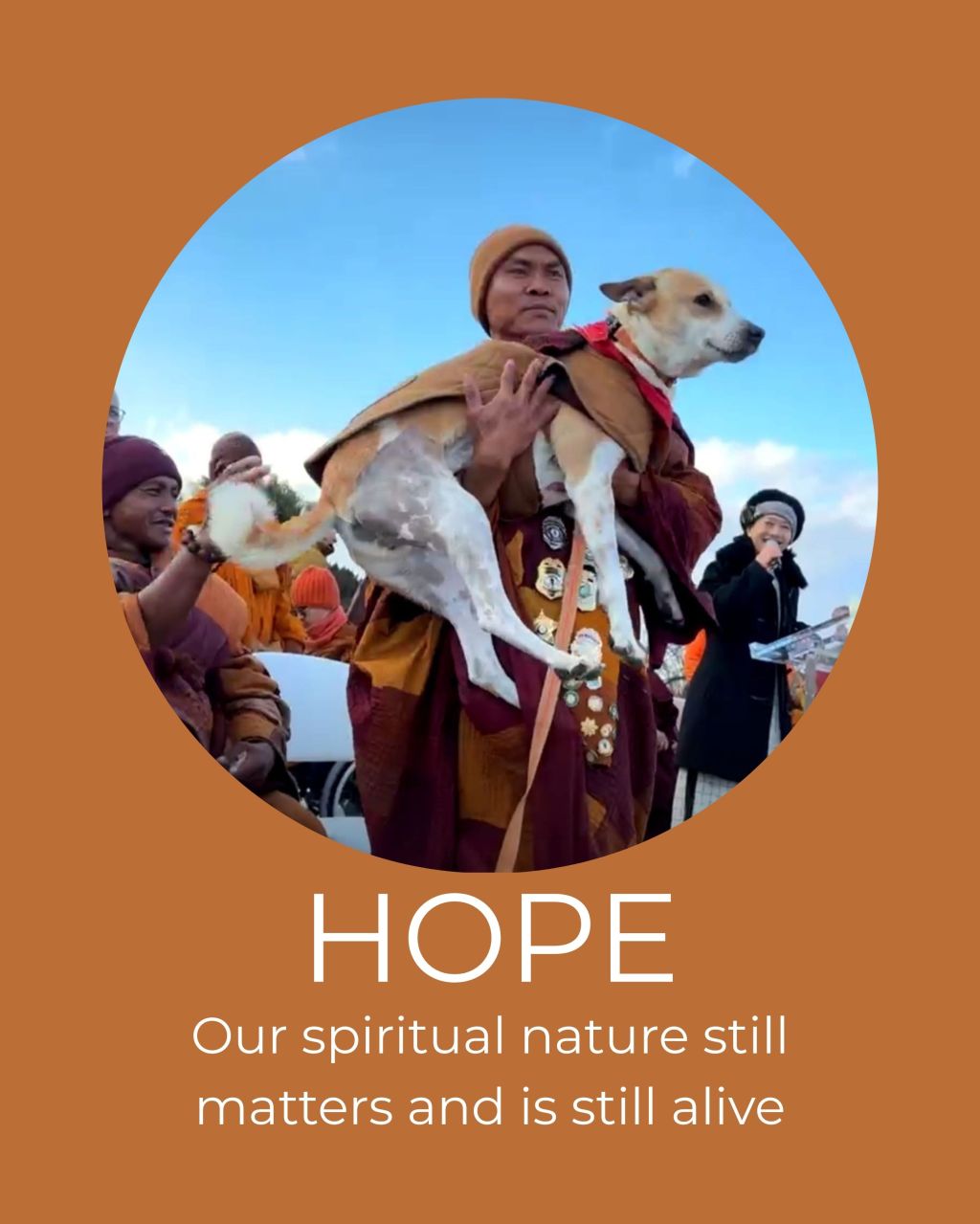
I was profoundly moved by the monks’ 2,300-mile Walk for Peace. After observing their unwavering devotion and embodied demonstration of loving-kindness, after listening carefully to their message, and after participating in the global meditation that marked the completion of their journey, I found myself quietly changed. Nothing dramatic happened outwardly. There was no spectacle, no…
-
People don’t see me clearly!

Here’s something liberating and sobering: People don’t see me clearly. Nor do they see you clearly. They see us through their own lens. Everyone has private memories, wounds, longings, fears, and beliefs. That inner world filters and colours their view of you. So when someone judges you, misunderstands you, idealises you, diminishes you, projects onto you,…
 ELIZABETH ELLAMES