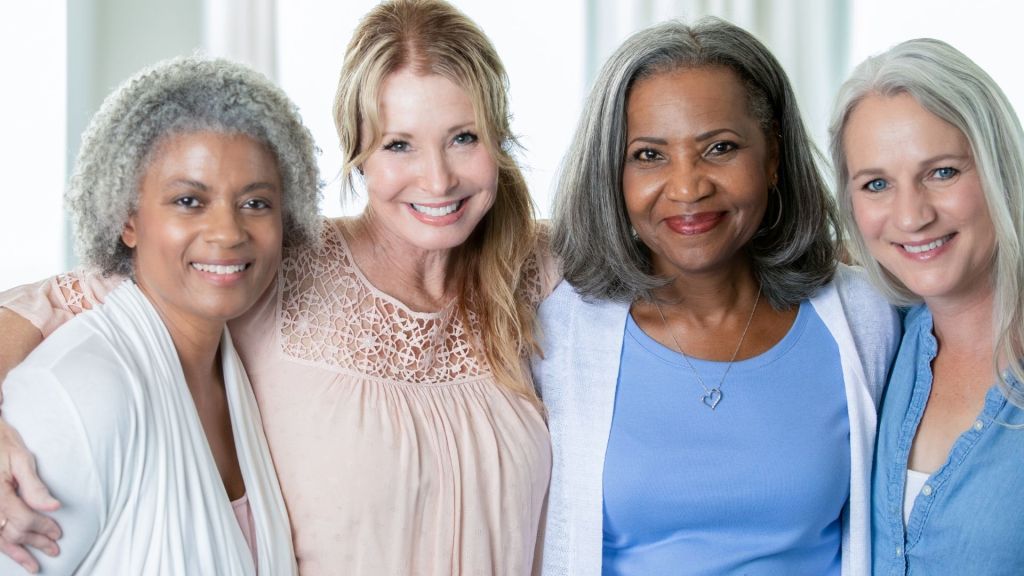
Today I am talking about something very close to my heart…
There is a quiet reckoning that arrives for many women in perimenopause and postmenopause. I prefer to give it back its original title, The Change, which is actually much more appropriate.
It is not always named aloud, yet it is deeply felt.
A shift occurs in the relationship we have with our bodies; sometimes it feels foreign and strange, sometimes it fills us with disappointment or even grief. Loathing may be too harsh a word, yet for many, something like loathing or estrangement does seem to take place. The body that once moved easily, responded predictably, or mirrored familiar cycles begins to speak a different language.
Hormones change, brain chemistry begins to recalibrate, joints stiffen, sleep becomes fragmented, and muscles seem to weaken. And the belly, for many women, thickens not as a failure of their diet but as a biological response to a profound internal transformation.
Yet we live in a culture that has not learned how to honour this passage. Instead of being welcomed as a rite of initiation, it is often framed as a decline. And so, without meaning to, women may turn against the very body that is carrying them into their next and most significant role.
This is the quiet danger of this stage in life; not the physical changes themselves, but the erosion of self-love that can accompany them.
Because beneath the surface of these changes, something extraordinary is occurring. Neurologically, hormonally, psychologically, women are moving into a phase of greater integration, perspective, and inner authority. The urgency to please softens, and the tolerance for the superficial thins. What emerges is discernment, clarity, and power. Not power as dominance, but the power of coherence and the kind that does not need permission.
And yet, when a woman stands before the mirror and sees only what has been lost, like tone, youth, familiarity, she may unconsciously confirm the very narratives the world has long projected onto her: that she is becoming less visible, less desirable, less relevant. This internalised story quietly undermines the sacred truth of what is actually unfolding.
Self-rejection at this stage is not neutral; it shapes how a woman speaks, how she occupies space, and how willing she is to be seen. When love and respect for the body diminish, the voice often follows. Confidence contracts and visibility feels risky. The woman who is meant to step forward as an Elder, a Matriarch, a cultural carrier of wisdom, instead learns to shrink.
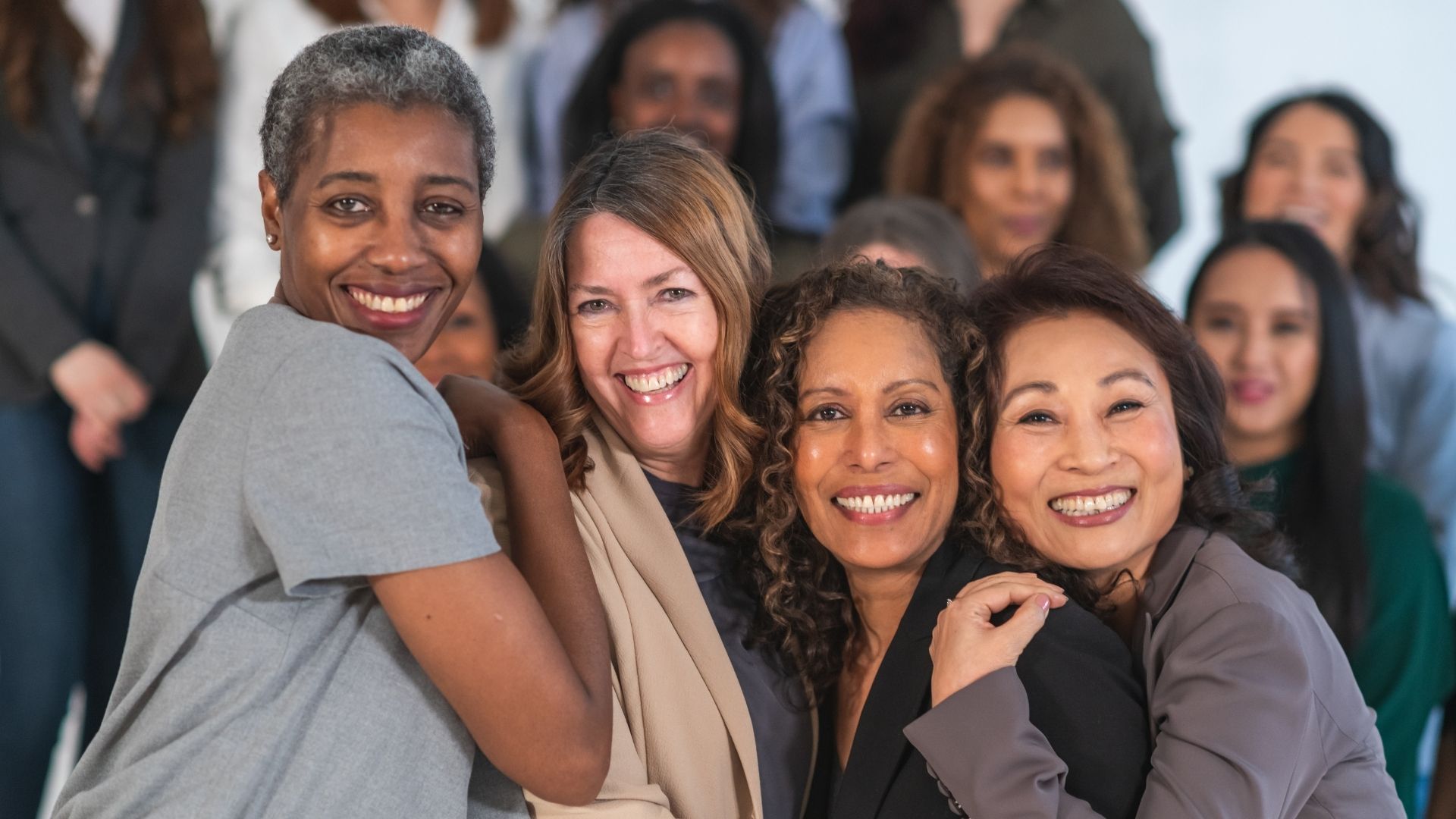
Beautiful wisdom weavers of our world, our body is not betraying us; it is initiating us.
The softening belly is not a flaw; it is a centre of gravity shifting inward. Muscle loss is not a sentence; it is an invitation to move differently, to listen more closely, rest more, breathe into the change that you are living through. Find your strength with some gentle intention rather than force. What if your stiffness is asking for compassion, not judgment, because these changes are signals of real change, not punishments?
To love the body during this transition is a radical act, and it requires a new gaze; one that does not measure worth by tightness, speed, or compliance with outdated ideals. It asks us to see our bodies as allies in evolution, not objects to be corrected.
If women are to rise into visibility as Elders and Matriarchs, not just symbolic roles, but living their true presences in families, communities, and culture, self-love must become fundamental, not performative self-love and not affirmation layered over resentment. But a grounded, embodied reverence for the body as it is, here, now, in its wisdom phase.
Because how we treat our bodies becomes the template for how the world treats us.
When a woman loves and honours her body, she stands differently. She speaks with gravity; she no longer negotiates her worth, and her presence communicates something bolder and older than fashion and deeper than trend. She becomes a stabilising force, a witness, a keeper of perspective in a world addicted to a false beauty, the need for more and urgency.
This stage of life is not an ending; it is a threshold.
And it is our body, with its changing, demanding, and revealing, that is the doorway through which we pass. To meet it with love is not indulgent; it is necessary. It is how women reclaim their authentic leadership and step forward, not apologetically, but deliberately, into the role they were always meant to inhabit.
Just a reminder, don’t wallow in the weeds for too long, let the Sun in your heart shine through because dear one, you have done the hard yards, now it is time to fully Be You.
You Are Truly Amazing!
Heart to heart, Elizabeth
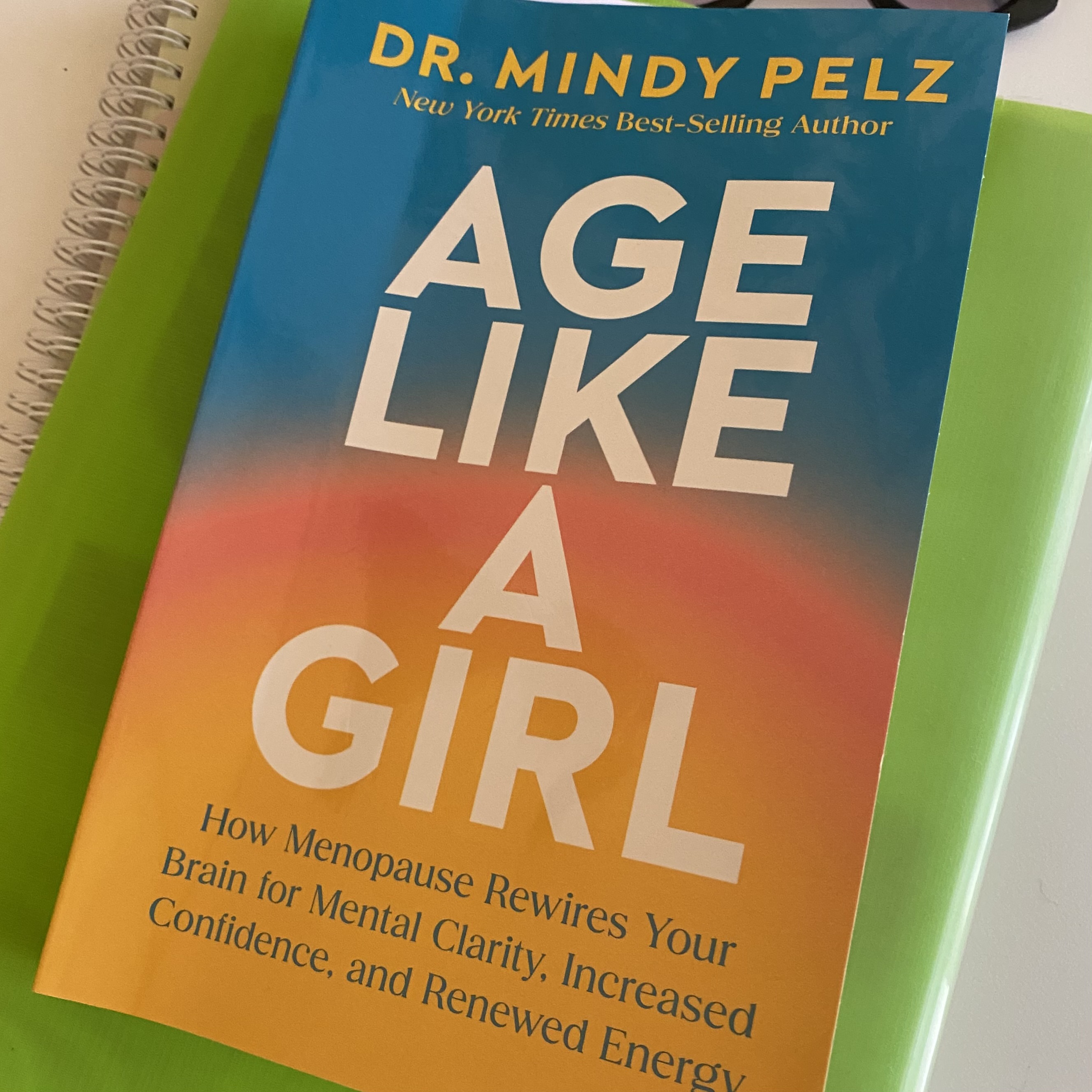
If this resonates with you, this book may also interest you. I have found it extremely valuable.
 ELIZABETH ELLAMES
Leave a Reply