The Goddess Archetype
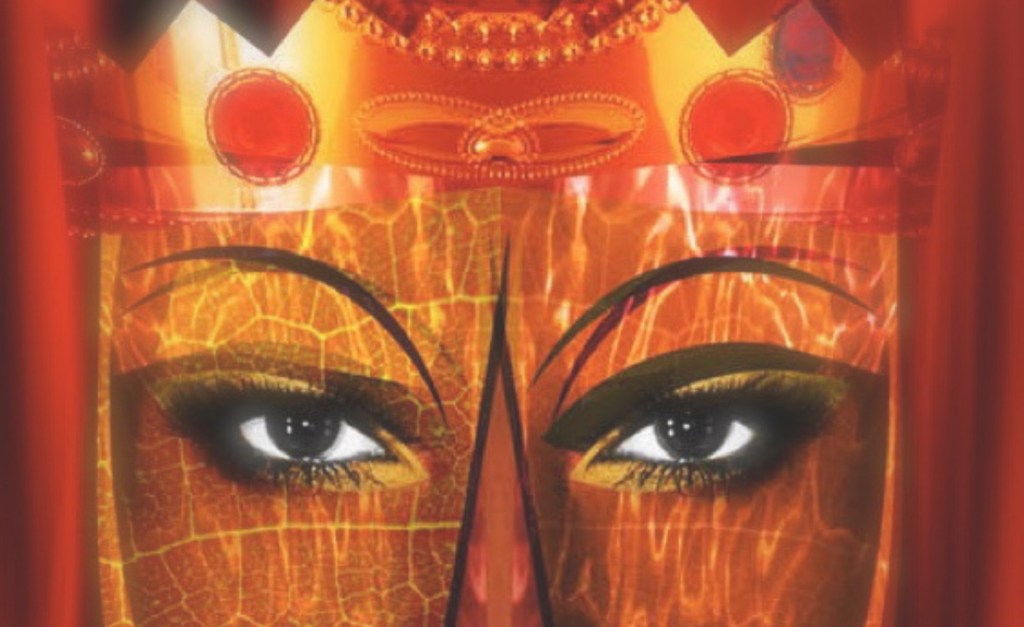
The 31st of August, is a day many of us pause to remember the life of Diana, Princess of Wales — 28 years since that fateful night in Paris, yet her presence remains profoundly alive in our collective heart. She was more than a royal, more than a fashion icon, more than “the People’s Princess.” Diana embodied an archetype so potent, so timeless, that her story continues to move through us like a living myth: the goddess Diana, protector of the vulnerable, fiercely independent, radiant yet untethered.
Even in her name, there was a destiny. Diana — the Roman goddess of the hunt, the moon, and the wild — a figure of freedom, compassion, and a deep connection to the natural and spiritual worlds. And like her namesake, the Princess could not be confined. She played the roles the world demanded — wife, mother, royal — but she remained, at her essence, unclaimed. Her soul spoke louder than protocol.
The Archetype of the Protector
Diana’s humanitarian work revealed the purest aspect of this archetype. She walked into places that others feared — AIDS wards, leprosy clinics, and the scarred landscapes of landmine fields. With her simple presence and unwavering gaze, she extended to the marginalized what they had been denied: dignity. This was not performance; it was dharma. A sacred duty that arose from her soul, reminding us that love and compassion are the highest forms of power.

The Untamed Spirit
Yet, there was also the wild Diana, the independent force that refused to be silenced or neatly contained. She sought authenticity in a world built on performance. That longing for freedom — to love as she wished, to live as she felt — revealed a universal human ache: to be wholly seen and wholly free. This is why so many of us recognized ourselves in her struggles and triumphs; she was both goddess and everywoman.
From Princess to Avatar
Perhaps what makes Diana’s story archetypal is that she transcended her own life. Through the lens of myth, we see how she became an avatar of the Divine Feminine in a modern era — an icon of courage, vulnerability, and compassion. In her humanity, she illuminated a pathway for others to rise, to love more deeply, and to give more freely.
When Elton John called her “England’s Rose,” it was more than a lyric — it was truth. Roses are symbols of beauty and pain, fragility and strength. And Diana’s rose still blooms in the collective memory, inspiring generations to embody empathy and grace in a fractured world.
The Living Myth
Even now, images of Diana stir something ineffable within us. The tilt of her head, the softness of her smile, the quiet strength in her eyes — they evoke more than nostalgia. They awaken the archetypal field she carried. We don’t merely remember her; we feel her. And in that feeling, she continues her work — teaching us about love, liberation, and the courage to be true.
A Legacy of Light
Twenty-eight years on, Diana is no longer just a figure in history; she is a living myth, a reminder of what it means to be human while carrying the spark of the divine. She was, and remains, an archetype in motion: the goddess who dared to walk among us, who loved, who suffered, who triumphed, and whose light could not be dimmed.
We honour her not as a relic of the past but as a continuing presence — a guiding star for those of us learning to live with compassion, to honour our independence, and to stand in our truth. Diana, the goddess, the protector, the untamed heart, still whispers to the world:
“Be brave. Be kind. Be free.”