A Journey Through Time and Magic
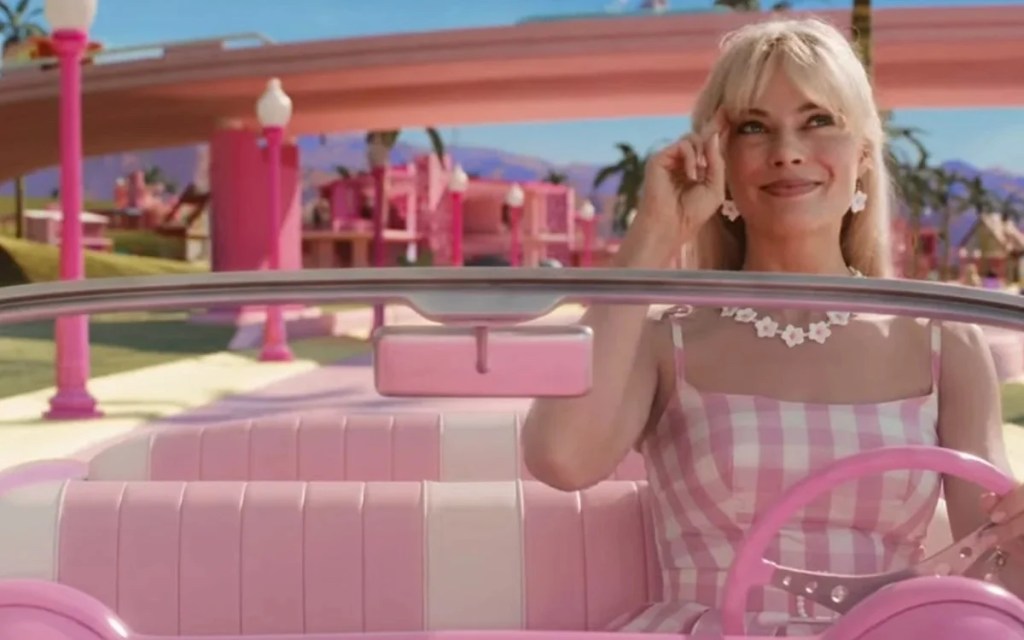
This week, I had the joyous privilege of experiencing the magic of the Barbie movie, and I must say, it was nothing short of a spectacular production. The film’s pizazz effortlessly transported my emotions back and forth between the innocent days of childhood and the awareness of my adult self.

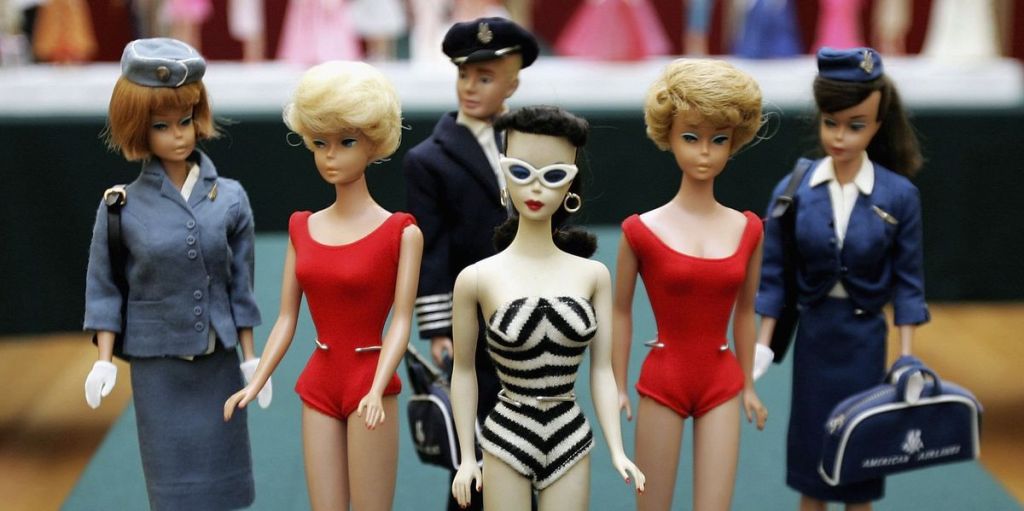
As I reflect on this enchanting cinematic adventure, it strikes me that my journey with Barbie dates back to her inception. Born the same year that Barbie made her grand entrance in 1959, I embraced my first Barbie doll at age five. However, those early encounters were accompanied by the anticipation of birthdays or Christmas when I would receive the much-desired outfits for my cherished Barbie companion.
In those early days, my Barbie and I had to make do with her simple swimsuit attire, which prompted my imaginative spirit to kick into overdrive. I vividly remember the ingenuity of my childhood self, cutting up bits of fabric or repurposing pretty handkerchiefs to create makeshift dresses that I would artfully drape around her little body. With the precision of a young artist, I would secure my creations using small pins, and rubber bands, revelling in the sense of accomplishment that my designs brought me. These improvised ensembles were nothing short of fabulous couture to my young eyes.
However, beneath the layers of creative play and fashion experimentation lies a rich tapestry of historical significance that adds an intriguing layer to the world of dolls and their influence on our lives.
Throughout history, dolls have served as more than mere playthings for children; they have held spiritual, magical, and ritual value in various cultures across the globe. What is particularly fascinating is the blurred line between dolls as spiritual entities and toys meant for play. In certain cultures, dolls used in rituals were also bestowed upon children, serving as a bridge between the mystical and the mundane.
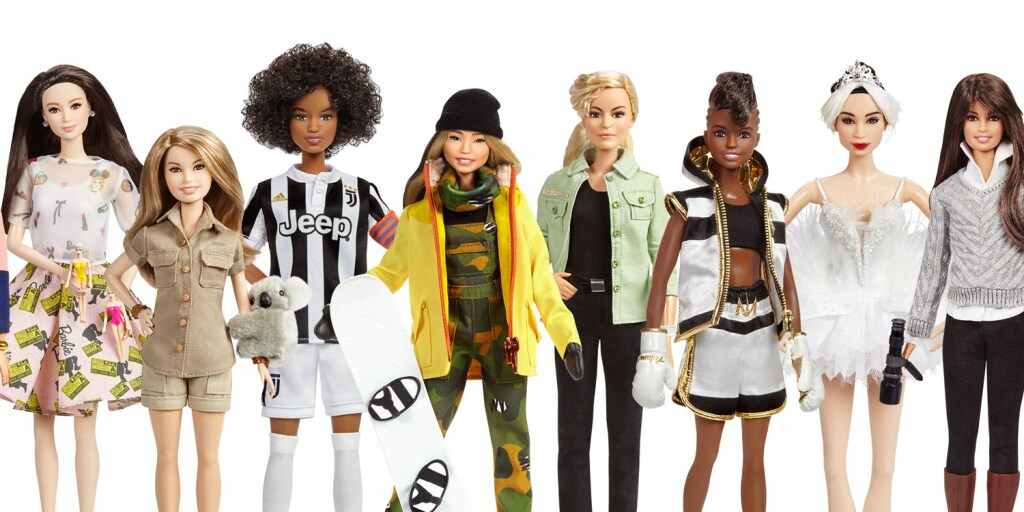
It’s genuinely remarkable to contemplate that Barbie has been a beloved presence in our lives for 64 years. Each generation of children who have had the pleasure of interacting with Barbie has dressed her up, orchestrated intricate scenarios, and even confided their secret dreams to her, all through the lens of innocent and uninhibited creativity. This phenomenon resonates with the concept of Sympathetic Magic, a form of magical thinking that is subtly interwoven into our play.
The origins of Sympathetic Magic trace back to a few fundamental laws proposed by anthropologists about a century ago. One of these laws, the law of contagion, is vital to understanding the mystical connection between objects and their effects. This principle suggests that when two things come into contact, a potential and even permanent exchange of properties can occur between them. In simpler terms, the essence of one object can be transferred to another through contact, creating a powerful link between the two.

This law of contagion offers an illuminating insight into the relationship between a child and their cherished Barbie doll. When a child engages in imaginative play with Barbie, dressing her up, role-playing scenarios, and sharing dreams. An unspoken bond is formed through touch and interaction. The child imparts their thoughts, desires, and emotions onto the doll, creating a magical exchange of energies akin to the law of contagion. Just as in traditional cultures where objects were believed to carry the essence of those who had contact with them, a child infuses the Barbie doll with their personality, making it a vessel for their creative expressions and aspirations. I believe this concept is subtly touched on in the film.
On the flip side of Sympathetic Magic lies the law of similarity, a principle that asserts the idea of “like causes like.” In essence, this law suggests that objects resembling the desired outcome possess the power to influence that very outcome. Here, the child’s connection to the Barbie doll takes on an even more magical dimension. Children play and project their dreams, ambitions, and insecurities onto Barbie.

The child enacts the law of similarity by dressing her in different outfits and creating various scenarios akin to ancient rituals. Barbie becomes a canvas upon which the child paints their aspirations, attributing her with qualities they admire or wish to possess. Through this process, the child taps into the ancient belief that by surrounding themselves with objects that mirror their desires, they can manifest them in reality.
When we examine the intricate tapestry of playtime and imagination, we find that Barbie, with her timeless charm and versatility, seamlessly embodies the principles of Sympathetic Magic. Just as objects in traditional cultures were believed to carry mystical properties through contact and resemblance, Barbie becomes a conduit for a child’s dreams and emotions. She transcends being a mere toy and becomes a vessel of creative expression, empowerment, and the manifestation of possibilities.
As we celebrate the enduring legacy of Barbie, it’s worth acknowledging the profound connection she shares with the laws of Sympathetic Magic. And so, whether in the hands of a child dressing her up in imaginative ensembles or in the heart of a collector cherishing her as a timeless treasure, Barbie continues to embody the age-old magic that reminds us of the boundless potential of our dreams.

As I reflect on my Barbie movie experience, I am reminded of the enduring allure of this iconic doll and how her presence has always been controversial. Barbie’s journey through time and culture, her ability to bridge the realms of play, magic, and personal expression, is a testament to her profound impact on generations of dreamers, activists, creators, and enthusiasts.
Like the laws of sympathetic magic, Barbie’s influence remains palpable and remarkably easy to recognize – a true embodiment of archetypal enchantment and wonder within our collective imagination.
Elizabeth Ellames

 ELIZABETH ELLAMES
Leave a Reply